A page for each era
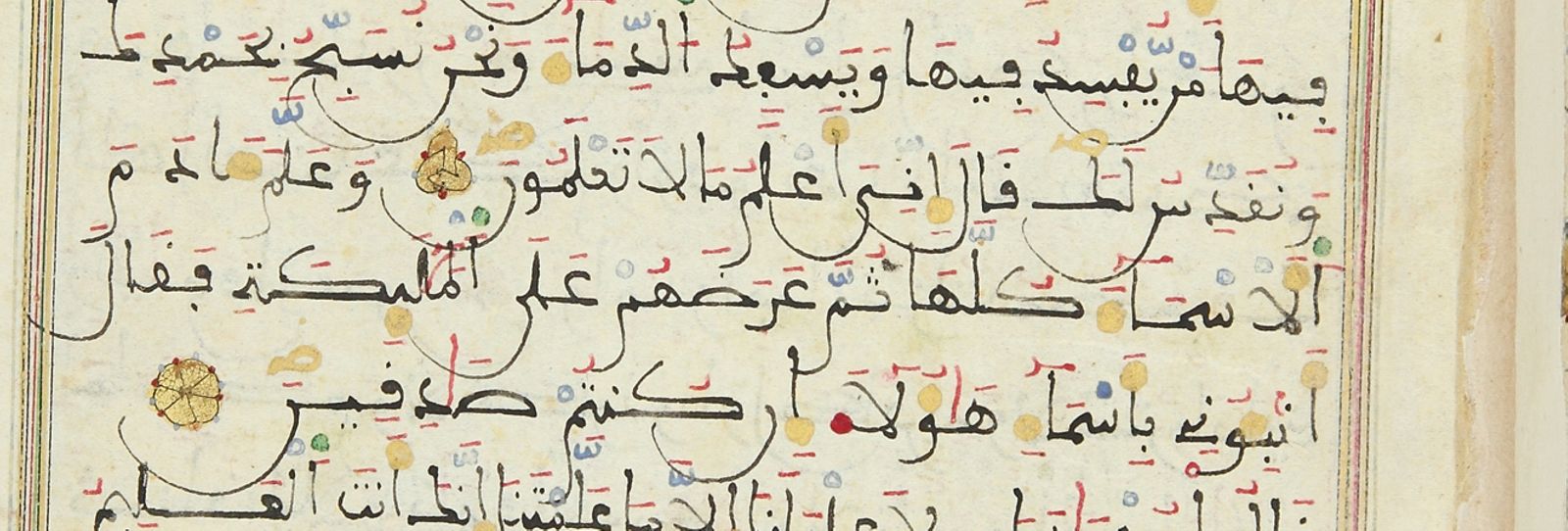
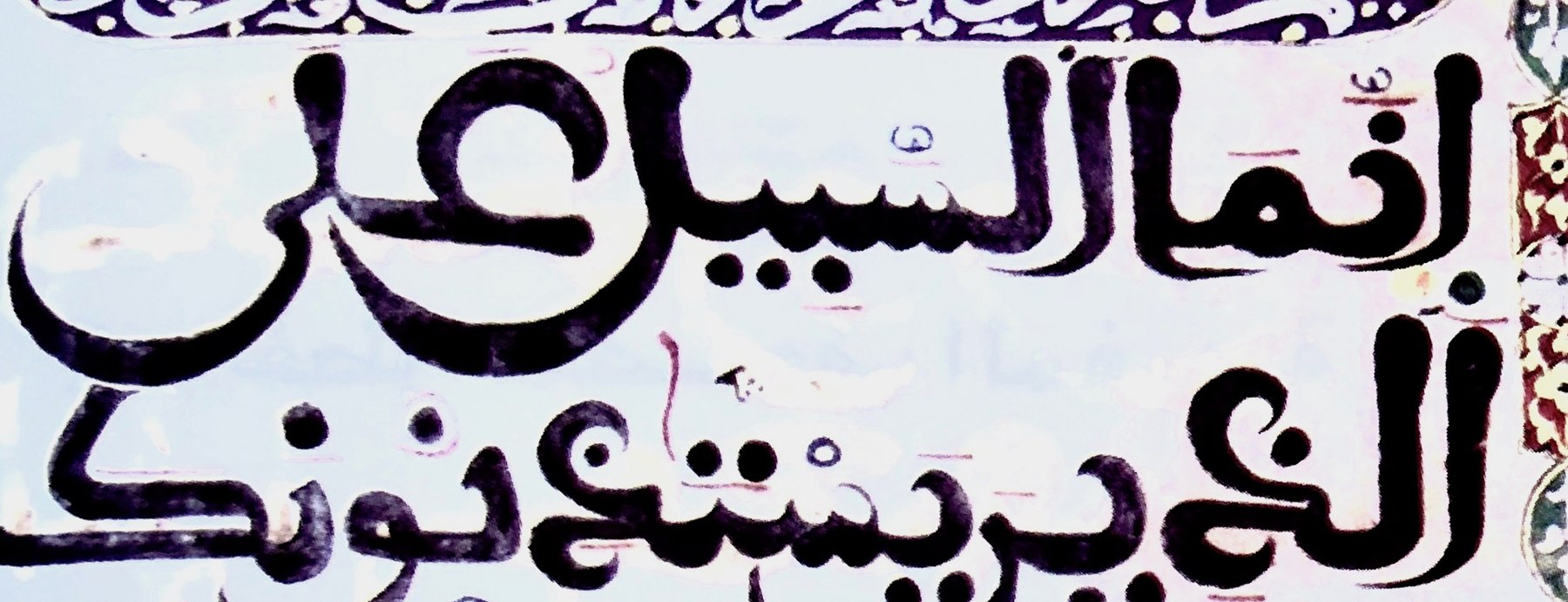
Each page has a table of the Qur’ans and their state, a timeline set against the reigns of the rulers, cards with close-up samples of the script, and a presentation mode.

Idrisid Qur’ans
No dated Qur’an is known from this period. The Qarawiyyin Library holds fragments of Qur’ans in early Abbasid script from around the fourth century AH.
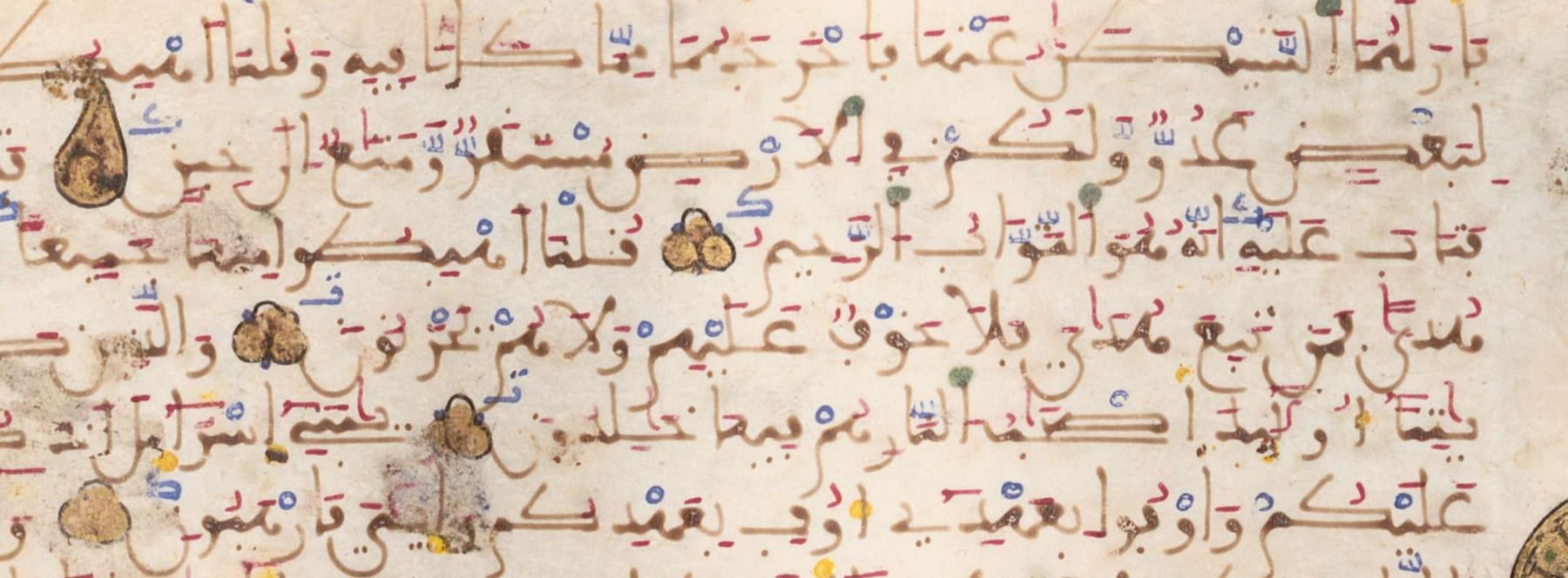
Almoravid Qur’ans
The Almería Qur’an (534 AH) in the hand of Ahmad b. Ghalinduh, and the Munich Qur’an (533 AH), illuminated by Zakariyya al-Qurashi, with its pausal marks in lapis blue.
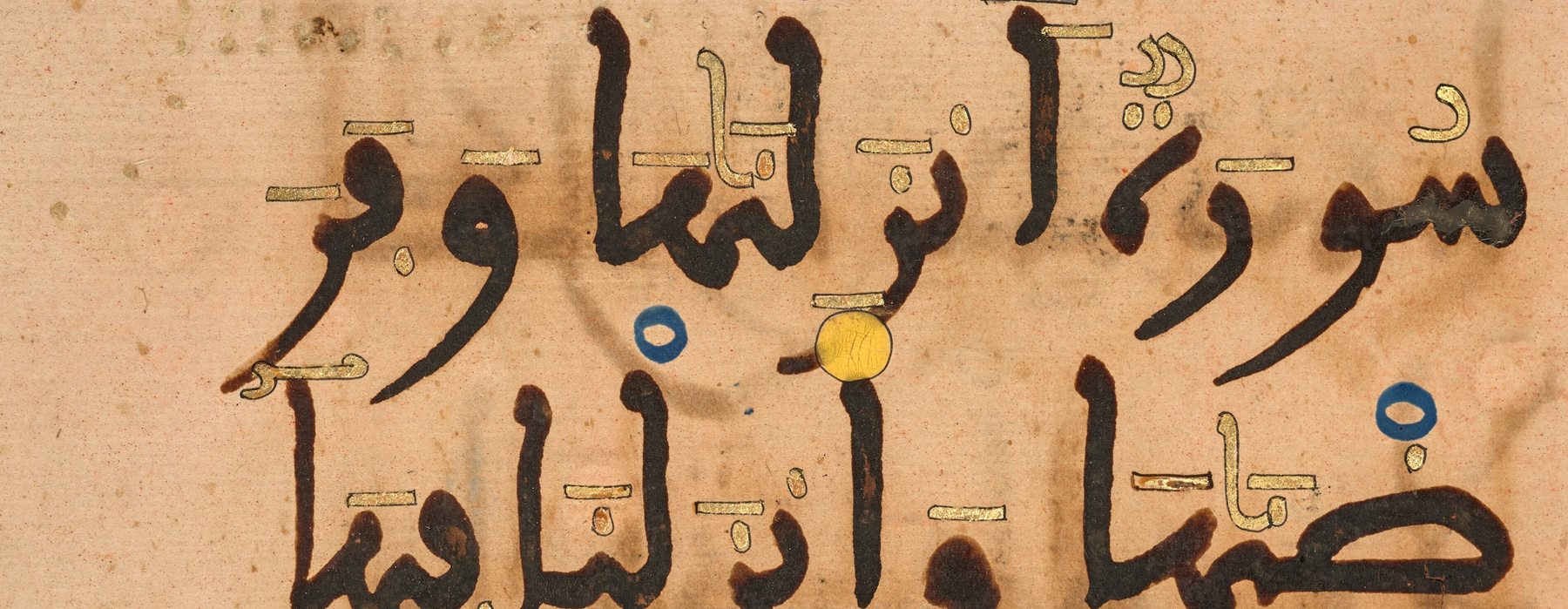
Almohad Qur’ans
The multi-volume Qur’an of the Caliph al-Murtada in his own hand, the Qur’an of Prince Abu Yaʿqub in Marrakesh, the Qur’ans of Ceuta and Valencia with their copyists’ names, the Seville Qur’an in Munich, and the Pink Qur’an.
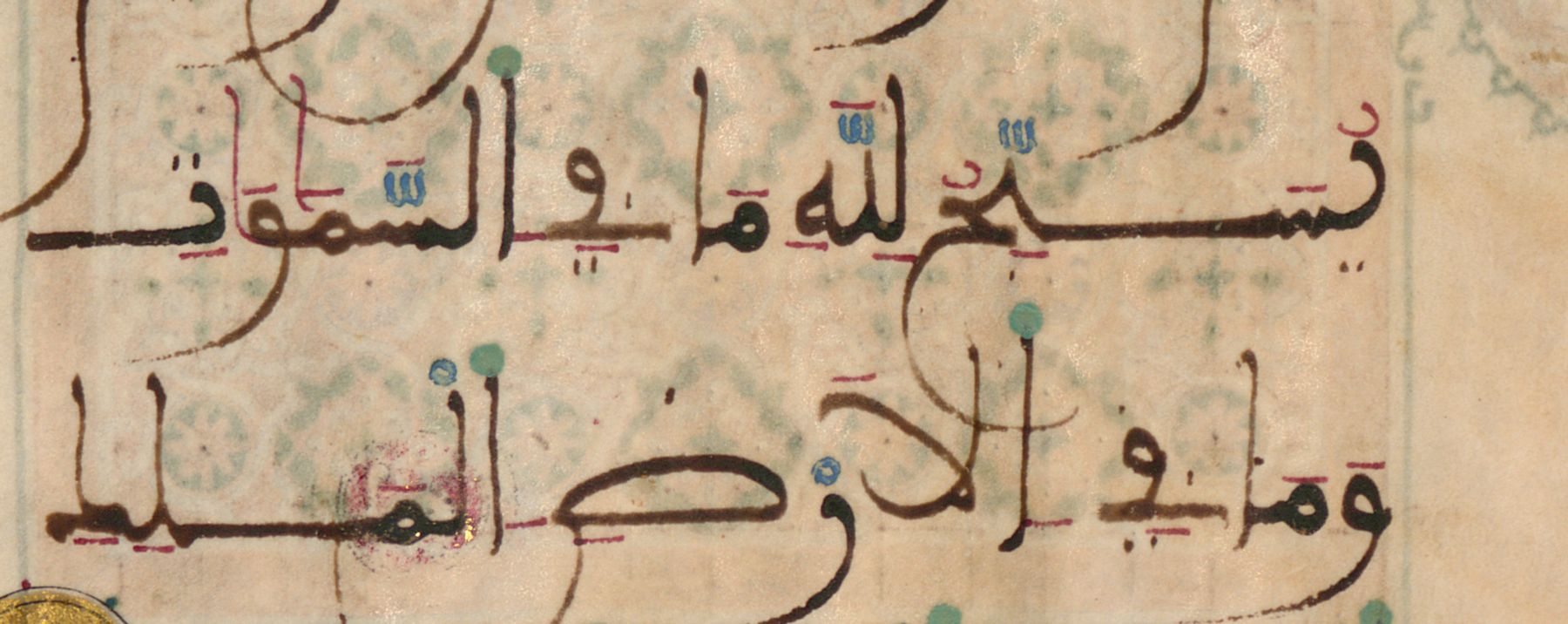
Marinid Qur’ans
The rabʿa of Abu al-Hasan in his own hand in al-Aqsa, the Qur’an of Abu Yaʿqub Yusuf in Munich with its colophon in gold, and the sultans’ lost Qur’ans for the two holy sanctuaries.
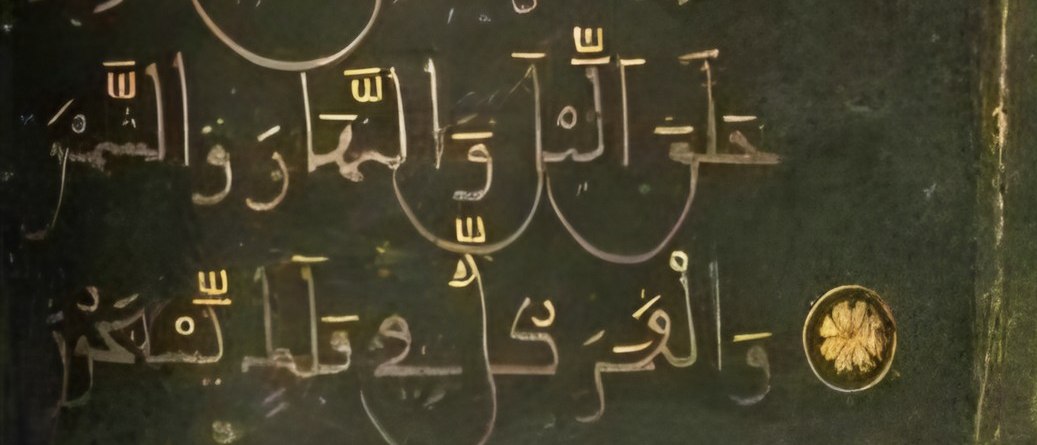
Wattasid Qur’ans
A period from which few dated Qur’ans have been studied. It was then that al-Habti set out the pausal system that Maghribi Qur’ans have followed; from it come the Green Qur’an and a Qur’an endowed in Fez in 949 AH.
Saadian Qur’ans
Qur’ans of the libraries of Princess Maryam, Prince Muhammad b. ʿAbd al-Qadir and the Sultans al-Ghalib and al-Mansur, the Qur’an of the bookbinder al-Sufyani in Fez, and the Escorial Qur’ans from Zaydan’s circle.
Alaouite Qur’ans
The Qur’an of Prince ʿAli (1142 AH) in Cairo, the Qur’ans of the woman copyist ʿAʾisha al-Takiyya, the rabʿa of al-Qandusi (1266 AH) in Meknes, and the first Qur’an lithographed in Fez.
All the Qur’ans on one line
The bars are the dynasties and the markers the Qur’ans listed on the era pages. A filled marker is a surviving Qur’an, a hollow one a lost Qur’an. Click a marker to open its page.
What goes into the guide?
Criteria for the first list of each era
- The date of copying is stated explicitly in the colophon or the endowment deed.
- The owner is known: the copyist, or the person for whom or for whose library the Qur’an was made.
- It was demonstrably copied in the lands of that dynasty.
Each page has two further sections: Qur’ans recorded in the sources and since lost, and well-known Qur’ans on the edge of the criteria, with what each of them lacks.
The samples
The samples are close-ups of the writing itself, taken from Qur’ans digitised by their libraries or from images published under an open licence. For Qur’ans whose images are under copyright, we point to where they were published.